
 English
 Arabic
 Croatian
 Dutch
Dutch French
 German
 Italian
 Portuguese
 Russian
 Spanish
 Ukrainian


Netherlands: Civil Diplomats at Sea Rescue and Civic Responsibility
Civil Diplomats living at the Netherlands know this: by its very nature, our country is defined by water. With a significant portion of its territory lying below sea level, an extensive North Sea coastline.
The Wadden Sea, major rivers such as the Rhine, Meuse and Scheldt, and one of the densest networks of inland waterways in Europe, maritime safety is not optional. It is essential.
This geography has shaped Dutch culture, public policy and civic awareness for centuries.
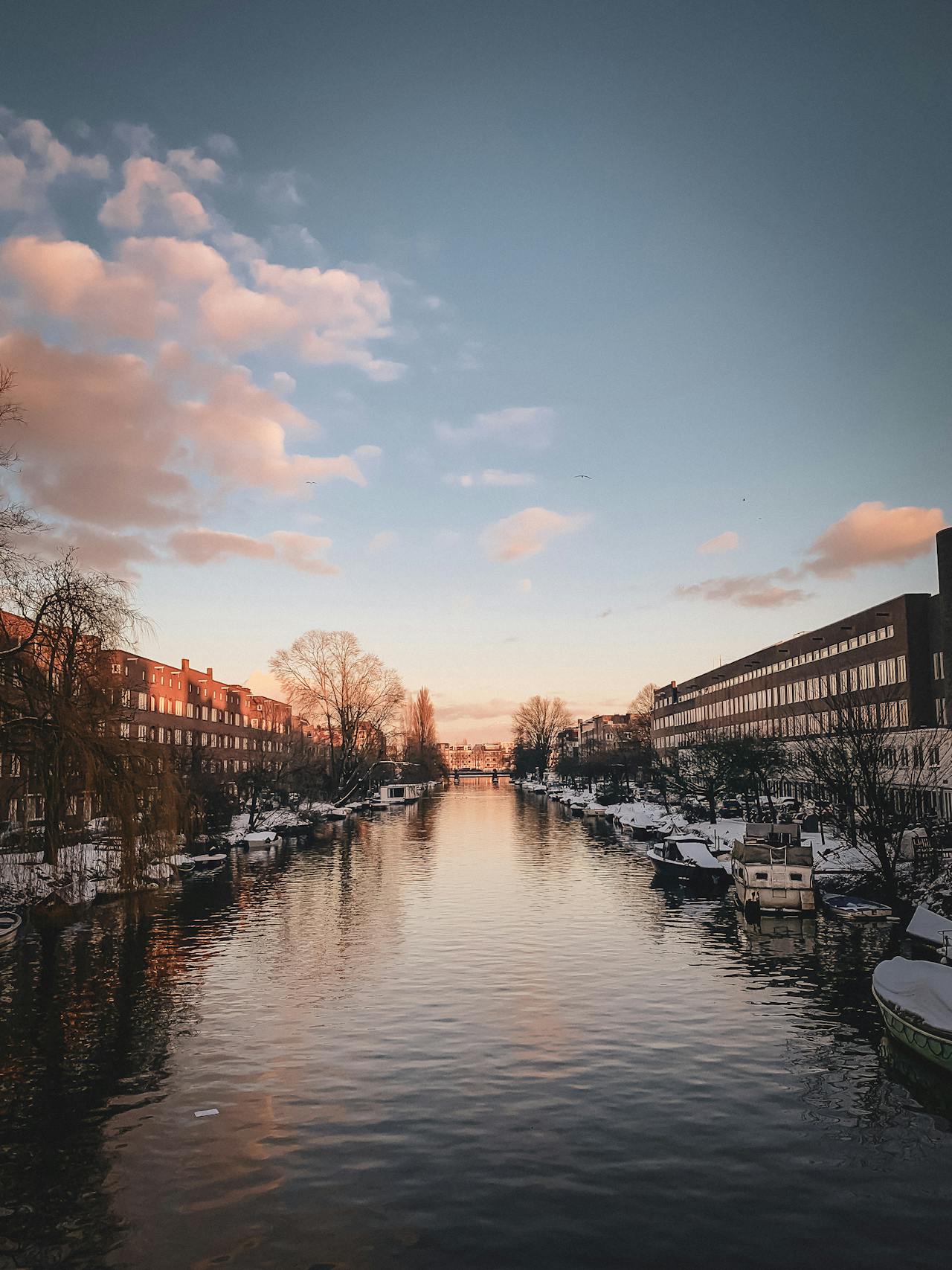
The constant interaction between land and sea means that storms, strong tides, maritime traffic and recreational navigation all pose real and recurring risks.
The Royal Netherlands Sea Rescue Institution (KNRM)
At the heart of this lifesaving ecosystem stands the Royal Netherlands Sea Rescue Institution (KNRM), one of the most respected humanitarian institutions in the Netherlands.
Founded in 1991 and operating under the patronage of Princess Beatrix, the KNRM is a fully volunteer-based organisation dedicated to saving lives at sea. Its work is carried out free of charge, without discrimination and with strict operational neutrality.
The organisation operates 45 rescue stations strategically located along the Dutch coast, the Wadden Islands and key inland waterways.
Equipped with advanced rescue vessels and highly trained crews, the KNRM responds to thousands of emergencies every year, including maritime accidents, vessels in distress and search-and-rescue operations during severe weather conditions.
In addition to physical rescue missions, the KNRM provides medical advice via radio to ships and boats at sea, extending humanitarian care beyond the shoreline.
Why maritime humanitarian action matters in the Netherlands
Few European countries depend as directly on safe maritime environments as the Netherlands. One of the world’s busiest ports, Rotterdam, lies at the heart of international shipping routes. At the same time, sailing, fishing and recreational boating are deeply embedded in Dutch society.
Climate change, rising sea levels and increasingly unpredictable weather patterns further intensify the relevance of professional and volunteer maritime rescue services. In this setting, humanitarian action at sea becomes a matter of public safety, resilience and collective responsibility.
A call for Civil Diplomats in the Netherlands
The humanitarian ethos of the KNRM aligns closely with the principles of Civil Humanitarian Diplomacy: protection of life, neutrality, professionalism and service to the community.
For Civil Diplomats living in the Netherlands, this context presents meaningful opportunities to contribute to maritime humanitarian action in complementary and responsible ways.
While operational rescue roles remain subject to strict KNRM training and certification standards, Civil Diplomats can engage through supportive and strategic functions:
– Community awareness and prevention
Civil Diplomats may support initiatives that promote maritime safety culture, prevention, education and responsible navigation within coastal and riverine communities.
– Humanitarian coordination and civic liaison
Trained Civil Diplomats can act as facilitators between institutions, local authorities, volunteers and civil society, strengthening cooperation and trust around maritime preparedness and emergency response.
– Communication, ethics and public engagement
Civil Diplomats with expertise in humanitarian communication can contribute to ethical narratives, public information and crisis communication, reinforcing transparency and public confidence in lifesaving operations.
– Institutional support and capacity building
Logistics, organisational support and community mobilisation are essential pillars of volunteer-based institutions. Civil Diplomats can add value through their professional skills while respecting the KNRM’s independence and non-political mandate.
For Civil Diplomats across Europe, and particularly in the Netherlands, maritime humanitarian action represents a concrete field where Civil Diplomacy moves from principle to practice, reinforcing legitimacy, cooperation and the protection of human life.


No comment yet, add your voice below!